Proposed SEO Category Description (ID 5) — Revised
SEO is how a website earns visibility, rankings, and organic traffic on Google without paying for every click. Done well, it compounds: a page that ranks well keeps bringing in visitors long after it’s published, instead of stopping the moment an ad budget runs out. This category brings together our guides, comparisons, and explainers on the parts of SEO that actually move the needle: on-page SEO, technical SEO, off-page SEO and link building, local SEO, keyword research, and how to keep up with Google’s algorithm changes. Whether you’re evaluating SEO services for your business, trying to understand what an SEO agency actually does before you hire one, or learning the fundamentals yourself, the articles filed under this category are written to be used, not just read once and forgotten.
What SEO Covers
SEO isn’t one skill; it’s a handful of related disciplines that work together. A page can be well-written and still fail to rank if the site is slow or poorly structured. A site can be technically flawless and still lose to a competitor with stronger backlinks. That’s why the guides here are organized around the actual components of an SEO strategy, rather than treated as a single how-to. If you’re new to the topic, start with our foundational guide on what SEO is and how it works before moving into the more specific areas below it also covers common questions like how SEO differs from paid search and roughly what kind of timeline to expect before results show up.
On-Page and Technical SEO
On-page SEO is everything you control directly on a page: title tags, headings, internal linking, content structure, and how clearly a page answers the query it’s targeting. Technical SEO sits underneath that; it’s about whether Google and your visitors can access, read, and load your site quickly and correctly in the first place. Even strong content underperforms on a site that’s slow, poorly indexed, or difficult for search engines to crawl.
This is where Core Web Vitals come in. Google uses these page-experience signals loading speed, interactivity, and visual stability as part of how it evaluates a site, and slow or unstable pages tend to underperform even when the content itself is strong. Structured data, commonly implemented through schema markup, is another technical layer: it helps search engines understand what a page is actually about and can influence how a listing appears in search results.
Regularly running an SEO audit is the practical way to catch these issues before they cost you rankings. Broken links, missing metadata, duplicate content, slow-loading pages, and crawl errors are all things an audit is designed to surface. Our technical SEO and audit guides in this category walk through what to check and why it matters, without assuming you already have a development background.
Off-Page SEO and Link Building
Off-page SEO covers everything that happens away from your own website but still affects how it ranks, most importantly, backlinks. When other credible sites link to yours, it signals to Google that your content is trustworthy enough for someone else to reference. Not all links carry the same weight, though, which is why link building strategies matter more than link volume: a handful of relevant, editorially earned links tends to outperform a large number of low-quality ones.
This ties into a broader idea Google has leaned on more heavily in recent years: E-E-A-T: experience, expertise, authoritativeness, and trustworthiness. It isn’t a single ranking factor you can tick off a list, but a lens Google’s guidelines use to describe what “quality content” looks like, especially for topics where accuracy matters, such as health or finance. Off-page signals like backlinks and mentions are one part of how that trust gets built over time, alongside clear authorship and accurate, well-sourced content.
Local SEO
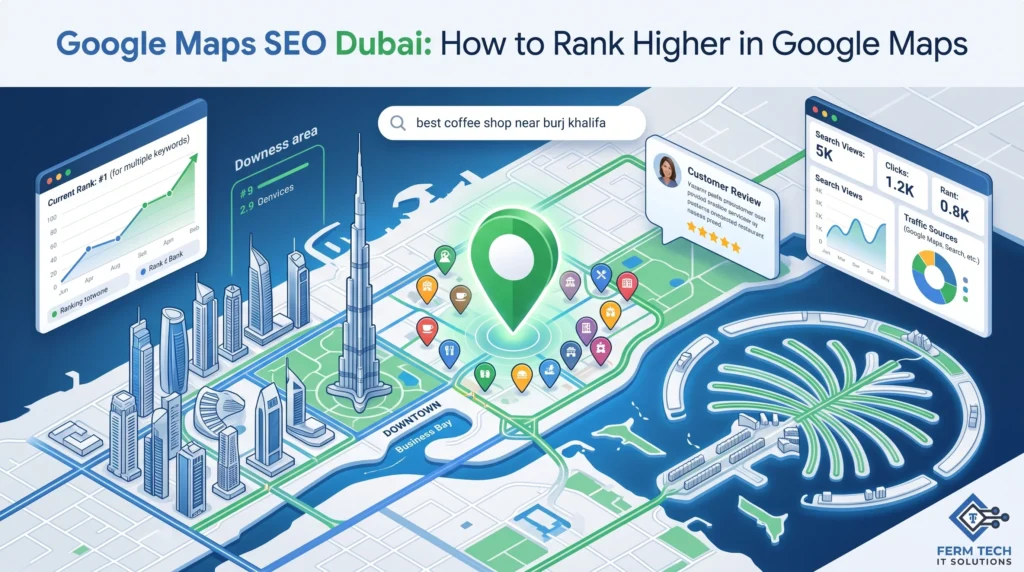
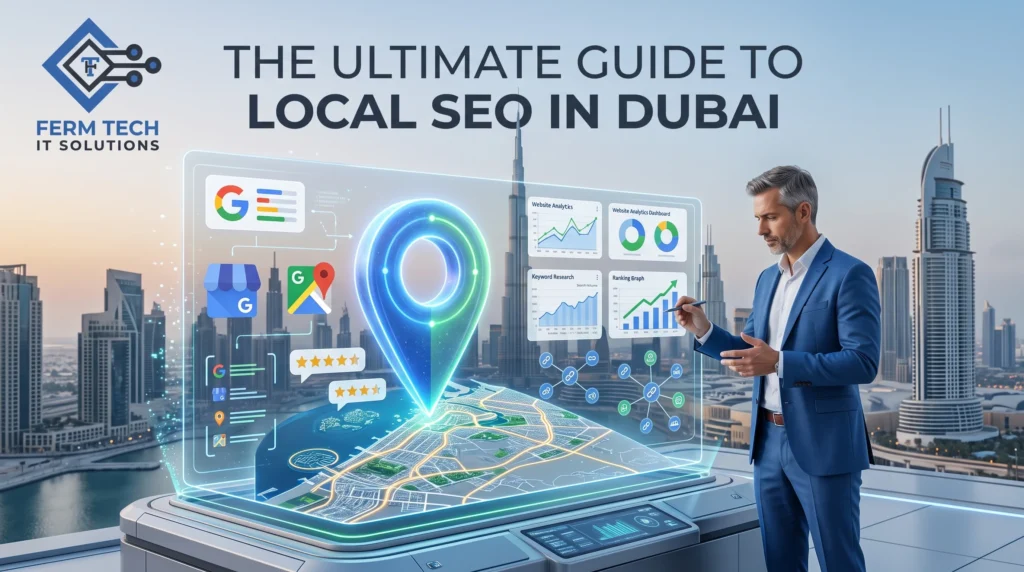
If your business serves a specific city or region, local SEO is a category of its own. It covers how you show up in Google Maps results, the local map pack, and location-based search queries, which depend on different signals than standard organic rankings, including your Google Business Profile, local citations, and location-specific content. Ranking locally isn’t just a smaller-scale version of national SEO; it has its own set of ranking factors, and a strategy built for one doesn’t automatically transfer to the other. Our local SEO guides look at what goes into ranking for local searches specifically, separate from the broader strategies covered elsewhere in this category.
Keyword Research
Before writing or optimizing any page, it helps to know what people are actually searching for, how they phrase it, and what kind of result they expect to find. Keyword research is the process of identifying relevant search terms, understanding the intent behind them (informational, commercial, or transactional), and using that to shape content decisions rather than guessing. Getting this step right early tends to save far more time than skipping it, since it’s much harder to retrofit the right intent onto a page after it’s published. Our guides in this category cover practical approaches to keyword research, including free and low-cost tools you can use to get started.
Staying Current with Google’s Algorithm
Google updates its ranking systems on an ongoing basis, and while most changes are minor, some are large enough to noticeably shift rankings across an industry. Rather than chasing every rumor, it’s more useful to understand the direction these updates tend to move in, generally rewarding original, well-researched content and penalizing manipulative tactics, and to build a site that holds up regardless of any single update. We track and explain significant Google algorithm update news in this category as it becomes relevant, rather than speculating on unconfirmed changes before Google itself has clarified them.
Choosing SEO Services or an Agency
Not every business wants to handle SEO in-house, and that’s a reasonable call; SEO takes consistent time and, especially on the technical side, some specialized knowledge. If you’re weighing your options, this category also includes guides on what to look for in an SEO agency, questions worth asking before you commit to SEO services, and how different providers tend to structure their offerings. These aren’t sales pitches; they’re meant to help you evaluate options with a clearer sense of what good SEO work actually looks like versus what’s overpromised, so you can make a more informed decision either way.
How to Use This Category
Everything filed here is grouped by the SEO topic it addresses, so you can go straight to what’s relevant, whether that’s a technical audit checklist, a local SEO breakdown, or a guide to evaluating an agency instead of wading through general marketing content to find it. New guides are added as we cover more ground, and existing ones are updated when something material changes, particularly around Google’s algorithm and best practices. If you’re not sure where to start, the fundamentals guide is the best entry point; everything else in this category builds on and links back to it.






 Calculator Tools